
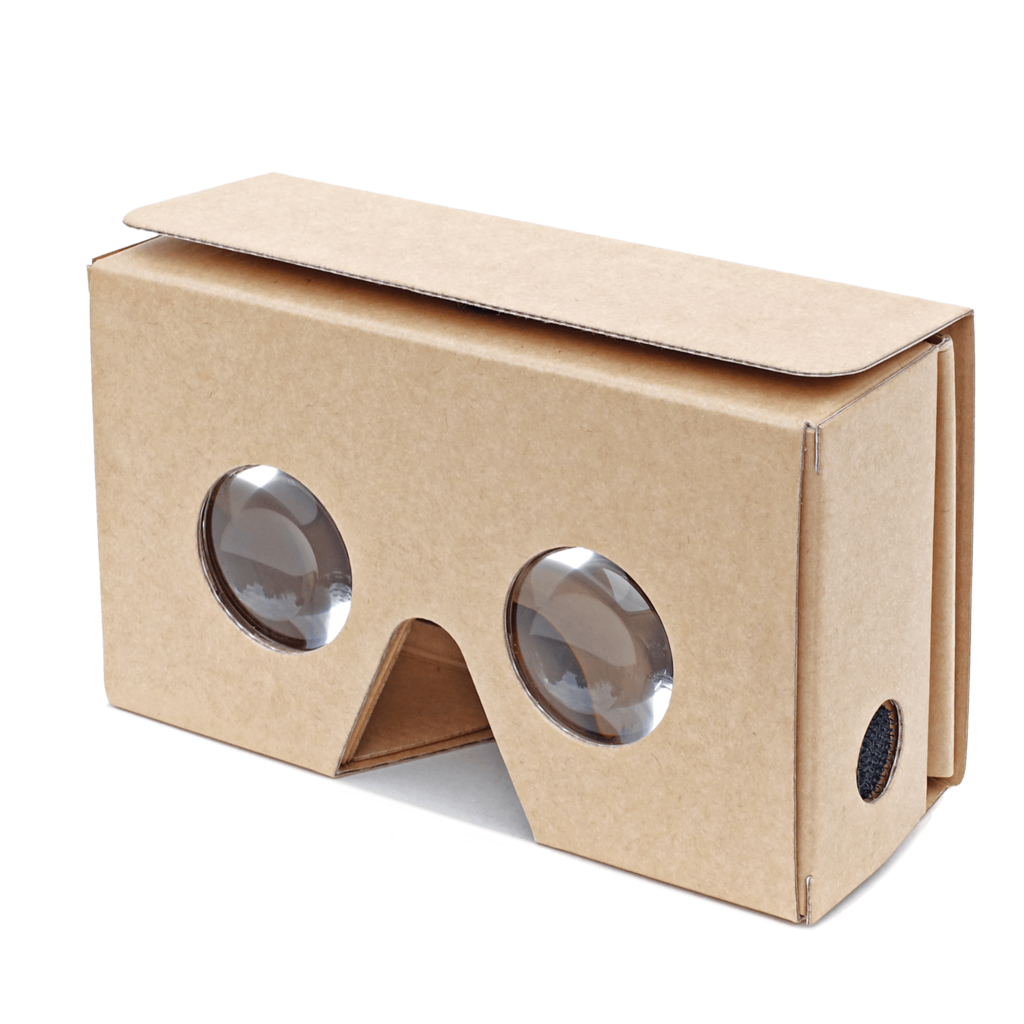
There’s Nothing Virtual About the Growth and Success of VR
The speed with which Virtual Reality has progressed from ‘tomorrow’s technology’ to today’s commercial reality has been little short of breathtaking. The really exciting part is that VR is still in its infancy – we are only just scratching the surface of its vast potential.
Current applications span many different sectors and activities. And as the balance between cost and quality continues to become more favourable, new applications emerge constantly.
In engineering for example, VR reduces the need for expensive models and prototypes and allows designs and processes such as installation and maintenance to be proved in a safe virtual environment. Maintenance and repair operations can be learned and practiced so they can be carried out efficiently and reliably when needed in the real world.
In architecture and construction, the immersive VR experience can lead to buildings that function better and are easier and cheaper to build. In the past there has always been a gulf between the ‘vision’ of a building design and the practicalities of building it or living and working in it. VR helps to eliminate those gaps.
Retailing is all about creating the right physical space. This is much more than displaying products effectively, it’s also about how the environment interacts with our senses and subconscious to reinforce brand values and put shoppers in the mood to buy. VR allows all of this to be tested and refined before you create an expensive physical store that could turn out to be a commercial flop.
VR could also be used to achieve the ultimate blend of online and offline retail experience and can be used for clothes design and virtual fashion shows.
Major retailers such as Walmart are using VR to train staff to deal with difficult situations such as when stores are extremely busy.
Healthcare is another sector where VR is increasingly used. From immersive therapy for addictions and conditions such as autism and PTSD, to virtual operations to train surgeons or explore new surgical techniques, VR has much to offer and is opening new treatment opportunities. Something as simple as a virtual walk through coastal scenery has been shown to significantly reduce the pain experienced by dental patients.
The heritage sector is also starting to use VR to deliver the ultimate in engaging experiences. Imagine if, while walking among the ruins of Pompeii, you could be transported into a virtual recreation of the streets as they were, before Vesuvius buried the city under volcanic ash and rock. VR experiences for sites such as Stonehenge are already helping people to learn about important historical sites in an immersive and engaging way and ‘experience’ them in the time they were created.
With so many proven applications and reducing costs, you can expect to see VR grow exponentially over the next few years. It will almost certainly affect you no matter what sector you are in.
If you’re interested in exploring how VR might be applied to your organisation or sector, please get in touch on 01823 429340.